1. Introduction
Choosing the right water treatment system is one of the most important decisions for any home, apartment, or business. Water is used every day for drinking, cooking, bathing, cleaning, and industrial processes. If the water quality is poor, it can directly affect health, equipment, and overall quality of life.
In India, many people face common water problems such as hard water, high TDS (Total Dissolved Solids), bacterial contamination, and bad taste or odour. These issues are not limited to rural areas; even cities face serious water quality challenges due to old pipelines, mixed water sources, and increasing pollution.
Another important point is that every home and business has different water requirements. A small household does not need the same system as a hotel, hospital, or factory. This is why selecting the correct solution based on actual needs is far better than buying any system blindly.
This guide will help you understand how to choose the best water solution for home and business in a simple and practical way.
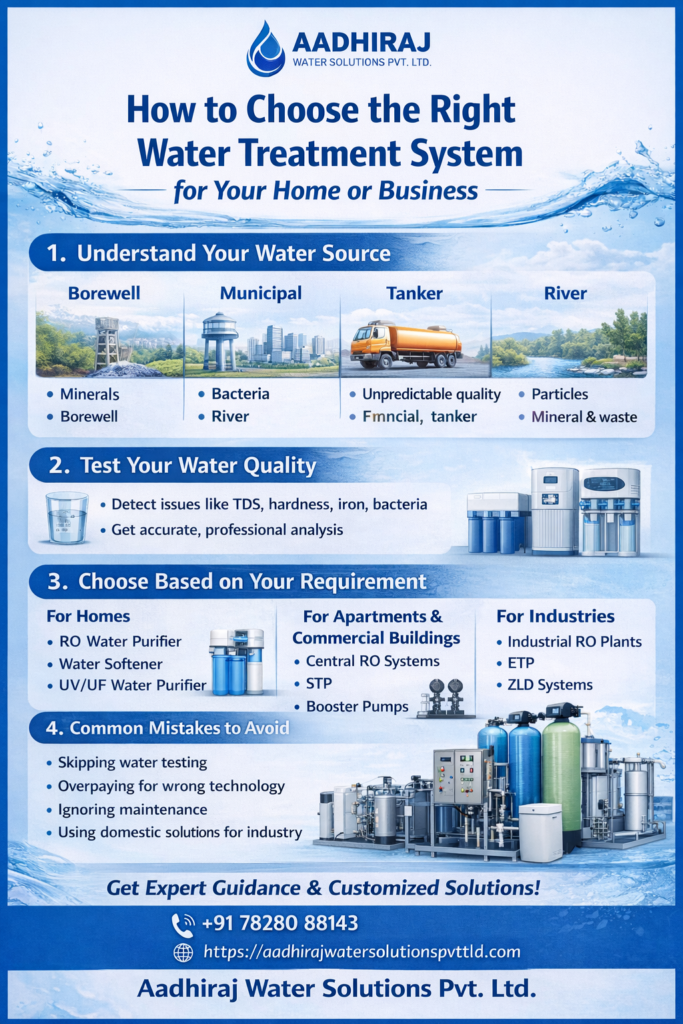
2. Step 1: Understand Your Water Source
The first step in selecting the right system is knowing where your water comes from. In India, the most common water sources are:
Borewell Water
Borewell water usually contains high levels of minerals like calcium, magnesium, iron, and sometimes salt. This leads to:
- Hard water problems
- Scaling in pipes and appliances
- Bad taste
Municipal Water
Municipal water is treated by local authorities, but it may still contain:
- Chlorine
- Bacteria due to leakage
- Low pressure or inconsistent quality
Tanker Water
Tanker water quality is unpredictable. It may be:
- Untreated
- Mixed from different sources
- Contaminated during transport
River or Surface Water
River water often contains:
- Mud and suspended particles
- Industrial and domestic waste
- Bacteria and chemicals
Each source has different issues, which is why one single solution does not work for everyone.
3. Step 2: Test Your Water Quality
Before buying any system, water testing is essential. It tells you exactly what problems exist in your water.
Why Water Testing is Important
Water testing helps identify:
- Whether water is safe for drinking
- Which treatment technology is required
- How serious the problem is
Key Parameters to Check
Some basic parameters include:
- TDS: Indicates salt and mineral content
- Hardness: Shows calcium and magnesium levels
- Iron: Causes stains and bad taste
- Bacteria: Indicates health risk
Why Professional Testing is Better
Many people make decisions based on taste or colour. This is risky. Professional water testing provides:
- Accurate results
- Correct system recommendations
- Long-term cost savings
Guesswork often leads to wrong purchases and unnecessary expenses.
4. Step 3: Choose Based on Your Requirement
For Homes
Homes usually need compact and cost-effective systems.
RO for High TDS
- Removes dissolved salts
- Improves taste
- Ideal for borewell and tanker water
Water Softener for Hard Water
- Prevents scaling
- Improves soap performance
- Protects appliances
UV/UF for Bacteria
- Kills harmful germs
- Suitable for municipal water
A combination of RO + UV + UF is often the best solution for households.
For Apartments & Commercial Buildings
Larger buildings require centralized systems.
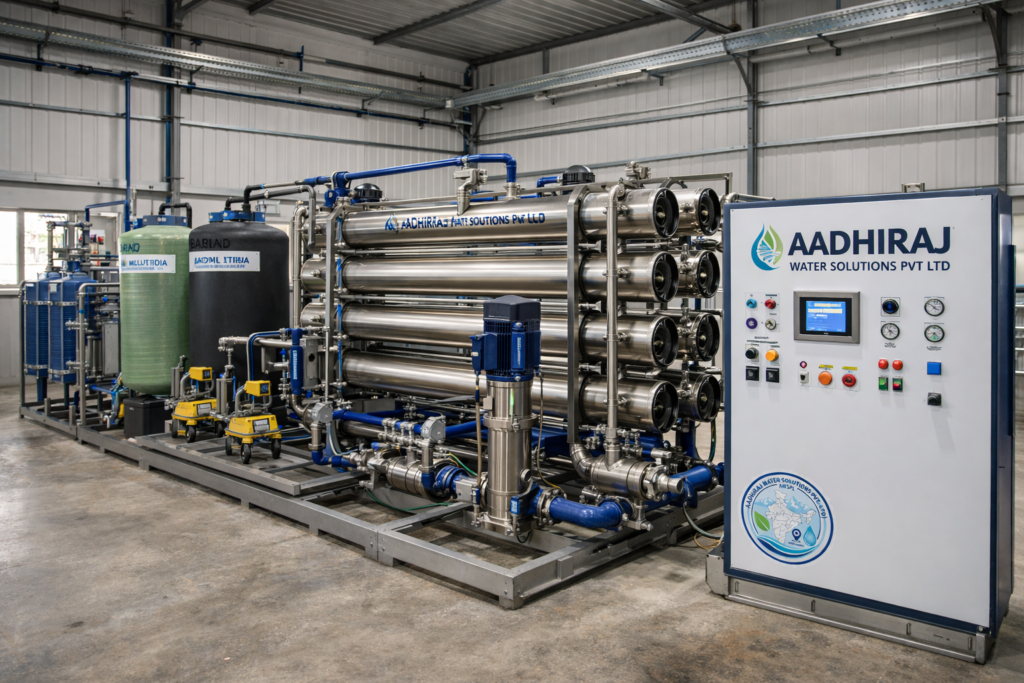
Central RO Systems
- Provides clean water for multiple users
- Suitable for societies, offices, hotels
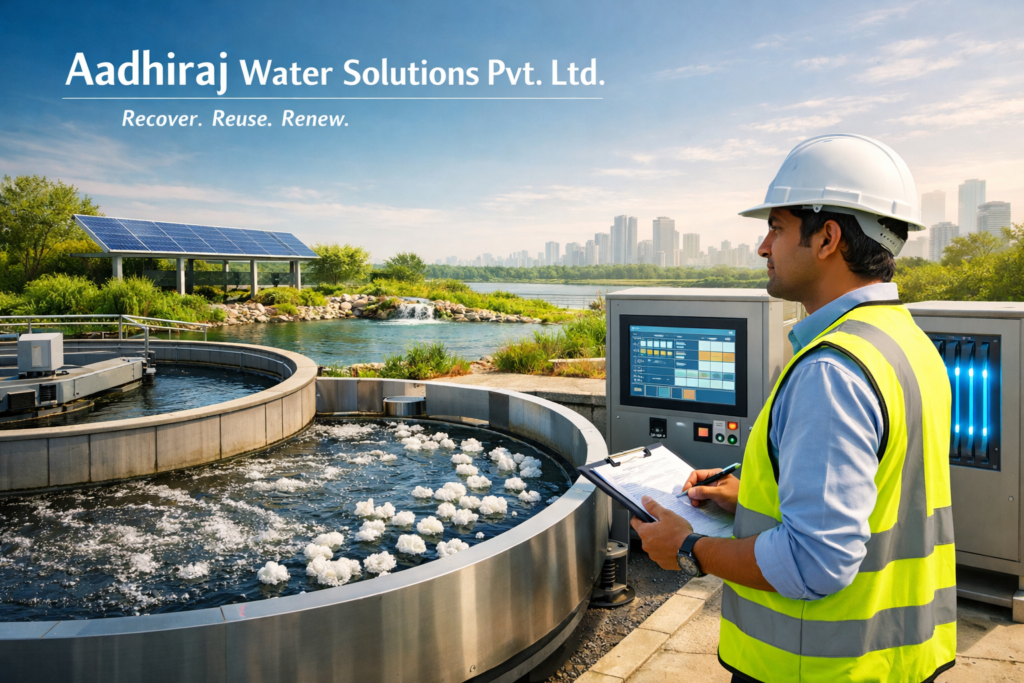
STP (Sewage Treatment Plant)
- Treats wastewater
- Allows reuse for gardening and flushing
- Reduces water bills
Booster Pumps & Storage
- Maintains water pressure
- Ensures continuous supply
These systems help manage large volumes efficiently.
For Industries
Industries have strict quality and compliance needs.
Industrial RO Plants
- Used in manufacturing
- Provides process water
- Reduces equipment damage
ETP (Effluent Treatment Plant)
- Treats industrial wastewater
- Removes chemicals and toxins
ZLD (Zero Liquid Discharge)
- Reuses all treated water
- No waste discharge
- Highly sustainable solution
Industrial water treatment is essential for legal compliance and operational safety.
5. Common Mistakes to Avoid
Many people make costly mistakes while choosing water systems:
- Buying without water testing
Leads to wrong system selection. - Overpaying for unnecessary technology
Not every home needs an expensive industrial system. - Ignoring maintenance
Poor maintenance reduces system life. - Using domestic systems for industrial needs
Causes frequent breakdowns and inefficiency.
Avoiding these mistakes saves money and ensures better performance.
6. Benefits of Choosing the Right System
Choosing the correct water treatment system offers many benefits:
Clean Drinking Water
Safe and healthy water for daily use.
Better Health
Reduced risk of waterborne diseases.
Lower Maintenance Cost
Less damage to appliances and pipelines.
Longer Appliance Life
No scaling or corrosion.
Environmental Compliance
Proper wastewater treatment protects the environment and meets regulations.
These benefits make water treatment a long-term investment, not just an expense.
7. Conclusion + Company CTA
Choosing the right water system should never be a random decision. Every water source and usage type is different, and the solution must be based on proper analysis.
Instead of experimenting with products, it is always better to consult water treatment experts who can study your needs and suggest the best solution.
Need Expert Guidance?
For professional water testing and customized solutions, contact:
Aadhiraj Water Solutions Pvt. Ltd.
📞 +91 78280 88143
🌐 https://aadhirajwatersolutionspvtltd.com
At Aadhiraj Water Solutions Pvt. Ltd., we specialize in delivering reliable and affordable water treatment solutions for homes, apartments, commercial buildings, and industries across India. From RO plants and water softeners to complete industrial water treatment systems, we help you achieve clean drinking water and sustainable water management.