Introduction
Water is one of the most important natural resources on Earth. Every living being depends on water for survival. Humans need clean water for drinking, cooking, agriculture, and industries. The environment also depends on water to support forests, rivers, oceans, wildlife, and ecosystems. Without clean water, life as we know it cannot exist.
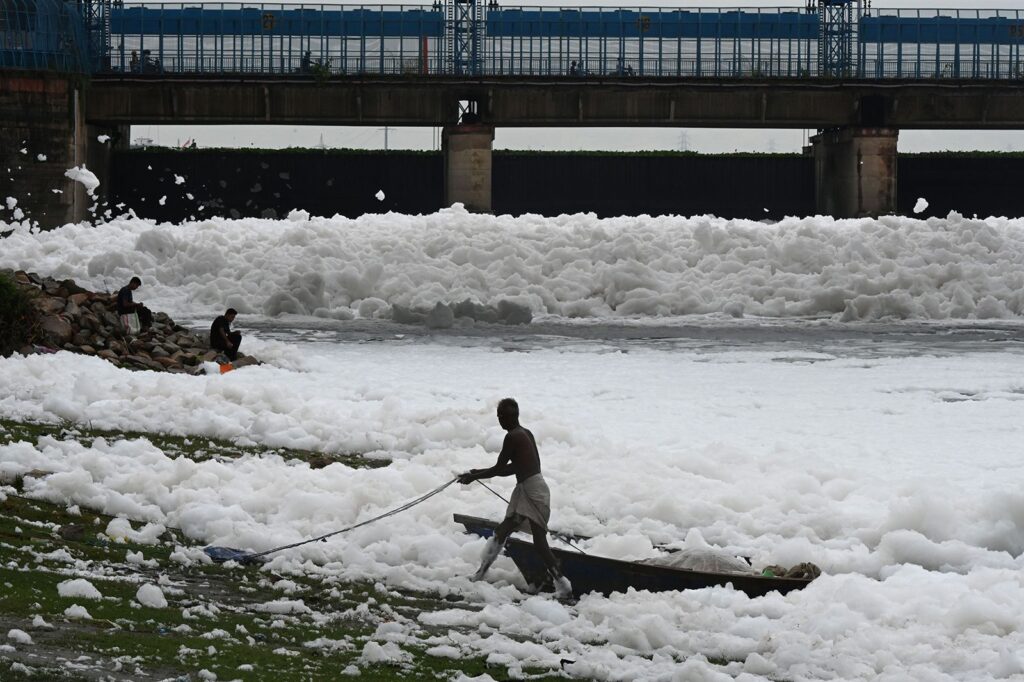
However, today we are facing serious water-related challenges. Water pollution is increasing due to industrial waste, domestic sewage, and chemical discharge. Many rivers and lakes in India are polluted, making the water unsafe for use. At the same time, water scarcity is becoming a major issue because of overuse, population growth, and climate change. Industries and cities generate large amounts of wastewater that often enter natural water bodies without proper treatment.
This is where water treatment plays a vital role. Water treatment helps clean and manage water in a responsible way, protecting both human health and the environment. It is not just a technical process, but a key step towards a sustainable future.

What is Water Treatment?
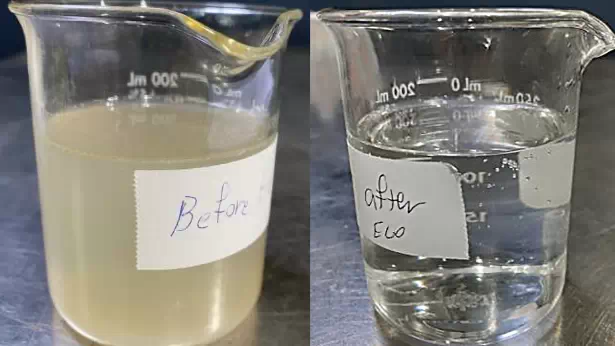
Water treatment is the process of removing harmful substances from water to make it safe for a specific purpose. These purposes can include drinking, industrial use, irrigation, or safe disposal into the environment.
In simple terms, water treatment makes dirty or contaminated water usable again by removing impurities like dirt, bacteria, chemicals, and heavy metals.
Drinking Water Treatment vs Wastewater Treatment
There are two main types of water treatment:
1. Drinking Water Treatment
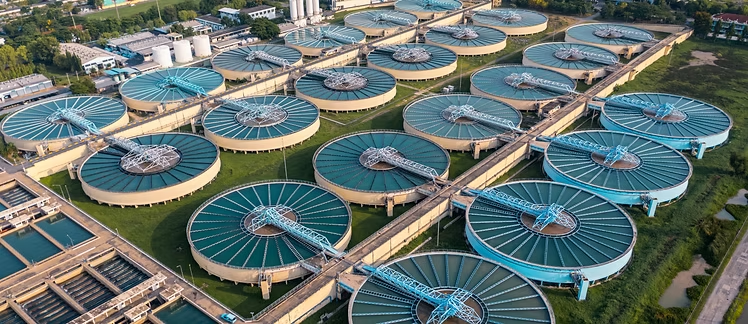
This process focuses on making water safe for human consumption. It removes:
- Bacteria and viruses
- Suspended particles
- Bad taste and odour
- Harmful chemicals
Technologies like RO (Reverse Osmosis), UV, and filtration systems are commonly used for this purpose.
2. Wastewater Treatment
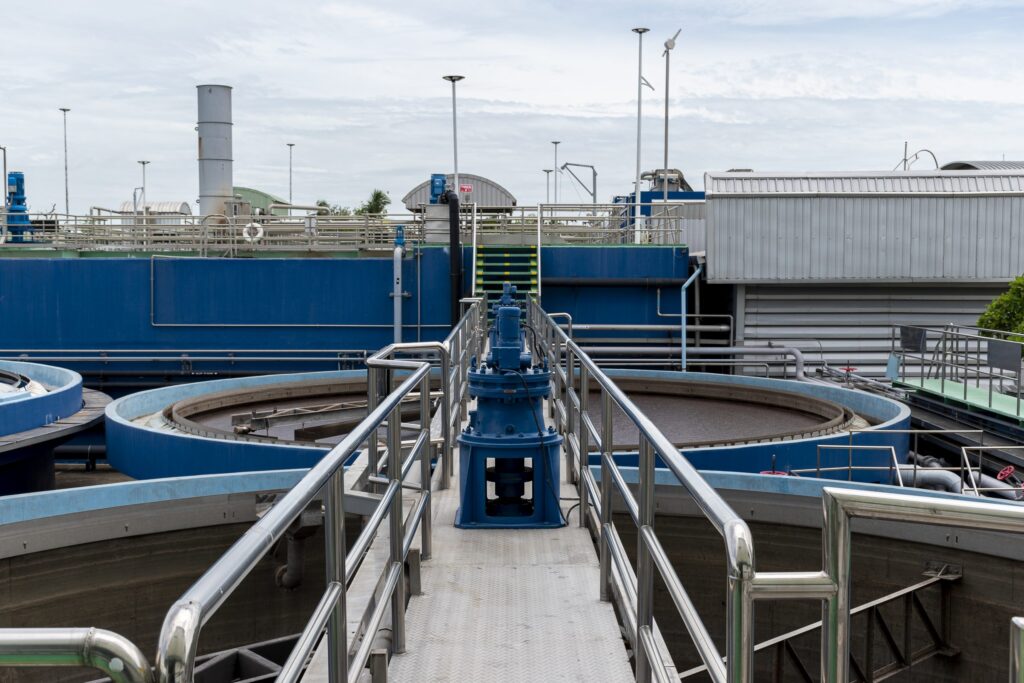
This deals with water that has already been used in homes, industries, or commercial places. The goal is to clean this water before releasing it back into nature or reusing it. Wastewater treatment removes:
- Organic waste
- Toxic chemicals
- Oils and grease
- Industrial pollutants
Major Environmental Problems Related to Water
1. Industrial Wastewater
Factories and industries generate wastewater containing chemicals, heavy metals, oils, and toxic substances. If released untreated, this water pollutes rivers, soil, and groundwater.
2. Domestic Sewage
Households produce large amounts of sewage every day. This includes waste from toilets, kitchens, and bathrooms. Untreated sewage leads to:
- River pollution
- Bad odour
- Spread of diseases
3. Chemical Pollution
Pesticides, fertilizers, detergents, and industrial chemicals often enter water bodies. These chemicals disturb natural ecosystems and harm aquatic life.
4. Groundwater Contamination
Polluted surface water slowly enters underground layers, contaminating borewell and groundwater sources. Once groundwater is polluted, it is very difficult and expensive to clean.
How Water Treatment Helps the Environment
1. Reduces Pollution in Rivers and Lakes
Water treatment prevents untreated waste from entering natural water bodies. This helps keep rivers, lakes, and oceans cleaner and safer.
2. Saves Freshwater Resources
By treating and reusing wastewater, we reduce the need to extract fresh water from natural sources like rivers and groundwater. This is extremely important in water-scarce regions.
3. Enables Water Recycling and Reuse
Treated water can be reused for:
- Gardening and landscaping
- Industrial cooling
- Flushing and cleaning
- Agriculture
This reduces water wastage and promotes responsible usage.
4. Protects Aquatic Life
Clean water supports healthy ecosystems. When polluted water is treated, it protects fish, plants, and other aquatic organisms from toxic substances.
5. Improves Public Health
Clean water reduces the risk of waterborne diseases such as cholera, typhoid, and diarrhea. It creates a healthier environment for communities.
Role of Technologies in Water Treatment
RO Plants (Reverse Osmosis)
RO plants remove dissolved salts, heavy metals, and impurities from water. They are widely used for:
- Drinking water systems
- Commercial water supply
- Industrial processes
STP (Sewage Treatment Plant)
STPs treat domestic wastewater from:
- Apartments
- Offices
- Hotels
- Hospitals
They remove organic waste and harmful bacteria before water is released or reused.
ETP (Effluent Treatment Plant)
ETPs are designed for industries. They treat chemical and toxic wastewater before discharge. This is essential for factories, pharmaceutical units, textile plants, and food industries.
Rainwater Harvesting
This system collects and stores rainwater for future use. It helps recharge groundwater and reduces dependency on municipal water supply.
Zero Liquid Discharge (ZLD)
ZLD ensures that no wastewater is released into the environment. All water is treated and reused within the system. This is a highly sustainable solution for large industries.
Benefits for Businesses and Society
1. Legal Compliance
Government regulations require industries and commercial buildings to treat wastewater properly. Water treatment systems help businesses meet environmental laws and avoid penalties.
2. Cost Savings
Reusing treated water reduces water bills and lowers operational costs. Over time, water treatment systems become a cost-effective investment.
3. Sustainable Operations
Businesses that use water responsibly contribute to long-term sustainability. This improves their brand image and environmental reputation.
4. Corporate Social Responsibility (CSR)
Companies that invest in water treatment show their commitment towards society and the environment. This builds trust among customers, employees, and communities.
Conclusion
Water treatment is not just about technology; it is about protecting our planet. Clean water supports life, health, and ecosystems. As pollution and scarcity increase, water treatment becomes more important than ever.
By treating wastewater, recycling water, and adopting sustainable practices, we can:
- Reduce environmental damage
- Conserve natural resources
- Improve public health
- Build a greener future
Every individual, business, and industry has a role to play in responsible water management.
Your Trusted Partner in Water Solutions
At Aadhiraj Water Solutions Pvt. Ltd., we are committed to providing reliable and efficient water treatment solutions for homes, businesses, and industries. From RO plants to STP, ETP, and advanced recycling systems, we help our clients achieve clean water and environmental compliance.
If you are looking for sustainable water solutions, Aadhiraj Water Solutions Pvt. Ltd. is here to support you in building a cleaner and healthier future.
This blog provides valuable insights into how water treatment contributes to environmental protection. The points are well explained and highlight the importance of sustainable water management. A very informative and well-written piece by Aadhiraj Water Solutions.